World War II and the Holocaust
in Western Volhynia
This project is dedicated to the events of 1939–1945 in Western Volhynia. We invite you to join a conversation about the personal experiences of people of different ethnic and social backgrounds as well as political and religious views under the conditions of extreme violence.Due to trauma, fear, and many years of silencing, many of these stories remain untold and not understood by later generations. Shining light on them is especially important at a time when the words "genocide", "war crimes", "crimes against humanity", and "deportations" have ceased to be just terms we see in history textbooks and once again describe our reality.
Learn more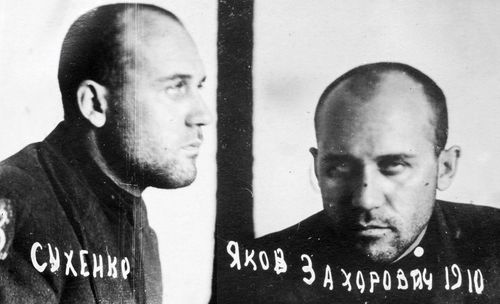
The chaos and uncertainty of the first weeks during which the Soviet regime established its power escalated into systemic repressions. These were initially handled by the operational...
Learn more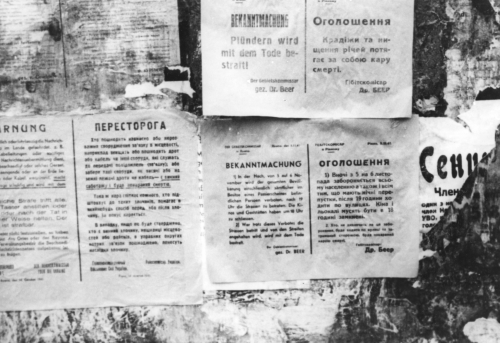
The evacuation was chaotic, with almost everyone having to evacuate on their own. Many were forced to stay because they had no external assistance, feared the uncertainty...
Learn more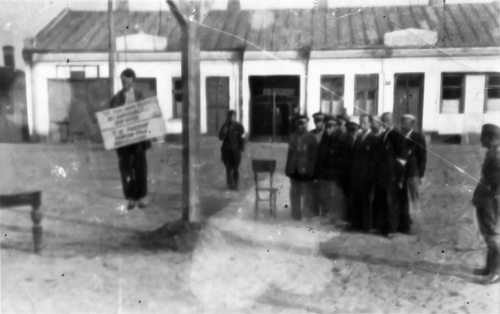
On September 5, 1941, the first order decreeingthe creation of Jewish ghettos in Western Volhynia was issued. It concernedsettlements with at least 200 Jews.
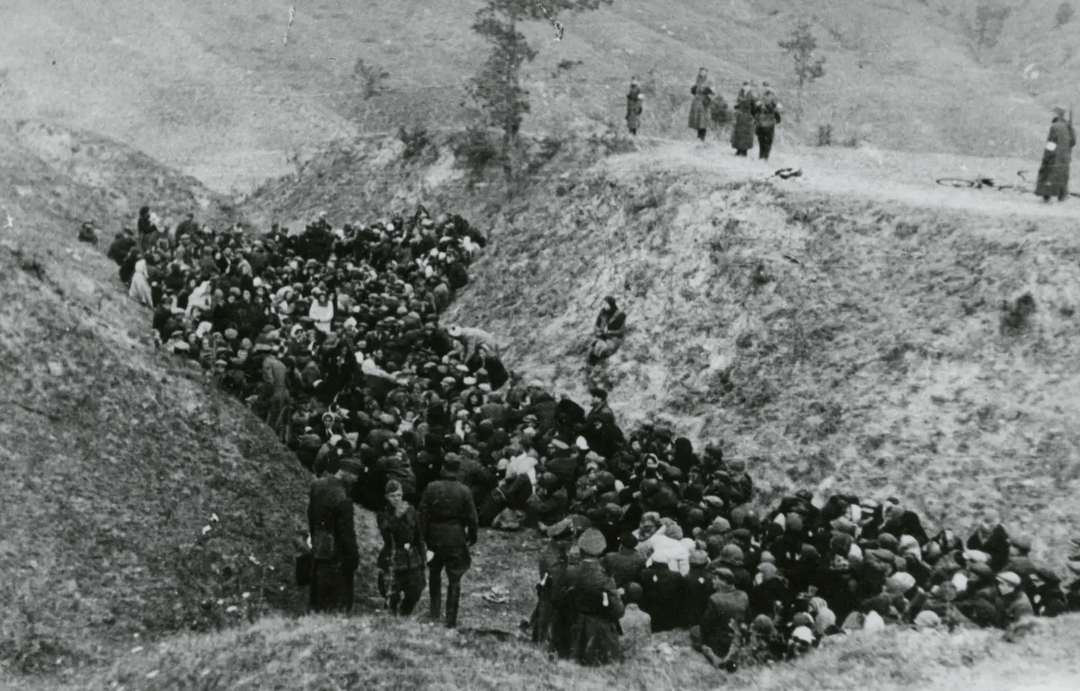
On January 20, 1942, the so-called WannseeConference took place. Reportedly, the decision to kill all European Jews wasadopted at the conference, and a respective...
Learn more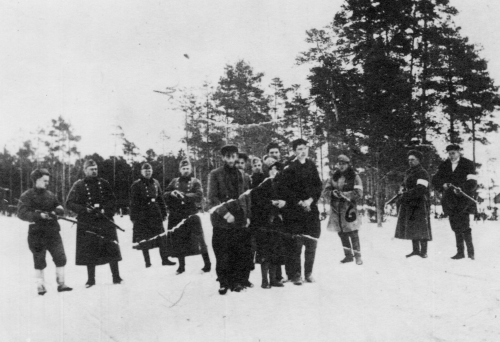
The Jews who hadmanaged to survive mass killings used four main strategies to ensure furthersurvival: hiding in the woods, seeking assistance from non-Jewish neighbours,using forged...
Learn more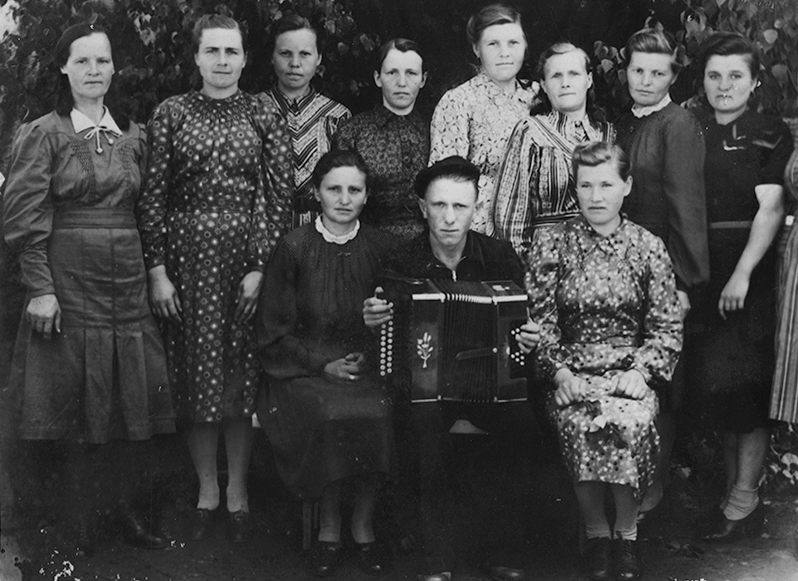
According to Israeli researcher Shmuel Spector,there were only 2,836 Jews left in Volhynia after the Holocaust. Most ofthe surviving Jews had nowhere and no one to return to...
Learn more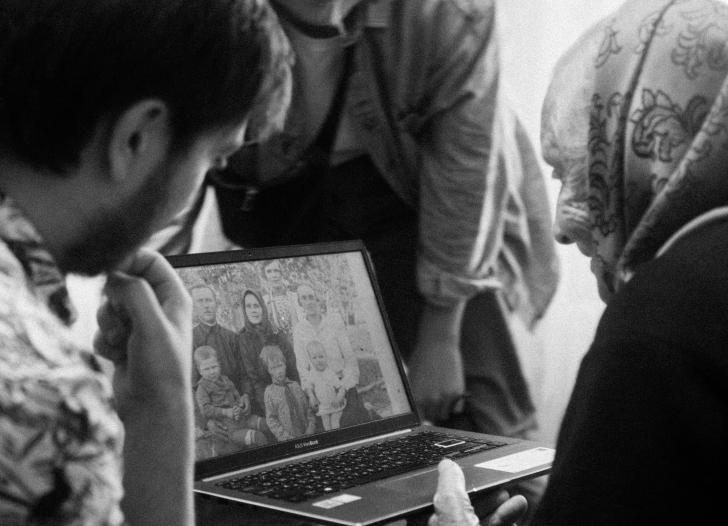
World War II changedthe fate of millions of people and thus concerns each of us. We encourage you to share family stories from that time and help us expand our exhibition with materialsfrom private archives.
sHARE storyExhibition audio guide
An audio tour is a guided experience where visitors use portable audio devices, such as headphones or handheld players, to listen to pre-recorded commentary about the exhibits.
Listen hereEyewitness accounts
Fragments of oral history interviews with eyewitnesses of the World War II events in Western Volhynia, recorded by the team of the "After Silence" NGO in 2021–2023.
Watch hereVideo tour
At present, not much visual material illustrating the history of the Holocaust in occupied Ukraine has come to light. To create the exhibition, we used some of the existing unique photographs from archives in Ukraine and abroad. In the video, we discuss the context in which the photos were taken and the events they documented in more detail.
Watch hereVideo Lectures
Videos of lectures based on the exhibition materials. Historian Petro Dolhanov talks about the dynamics, scale, and peculiarities of the Holocaust in Western Volyn, as well as the educational program of the exhibition. Historian Tetiana Samsoniuk presents the results of her research on Soviet violence in 1939-1941. Historian Andriy Usach and cultural manager Anna Yatsenko talk about visual and oral sources and present the exhibition catalog.
Watch here